Water in the house? Start here.
Water in the house is a bad day. Here is the plan. Stop the source if it is safe to do so. Then get a qualified provider looking at the damage.
Secondsunderstand Restoration is a referral service. It connects homeowners in Dallas, TX with independent local water damage restoration providers. Secondsunderstand Restoration does not do the work. The provider does.
Here is how it goes. You describe what happened. A local provider in the network follows up. They inspect the damage, explain the plan and give you a written quote. You decide what happens next. You are under no obligation to hire anyone.
Why move fast? Wet drywall, wood and insulation break down quickly. In warm, humid weather, mold can follow. Drying early protects the structure. It also protects the value of the home when you sell.
Request an Estimate
Would you rather talk first? Request a callback to check provider availability.
How it works
What Secondsunderstand Restoration does
Secondsunderstand Restoration is a matchmaker, not a contractor. You share the details of the problem. The service passes them to an independent provider near you. That is the whole job.
The provider handles the work, the schedule and the price. Secondsunderstand Restoration does not set any of those.
What the provider does
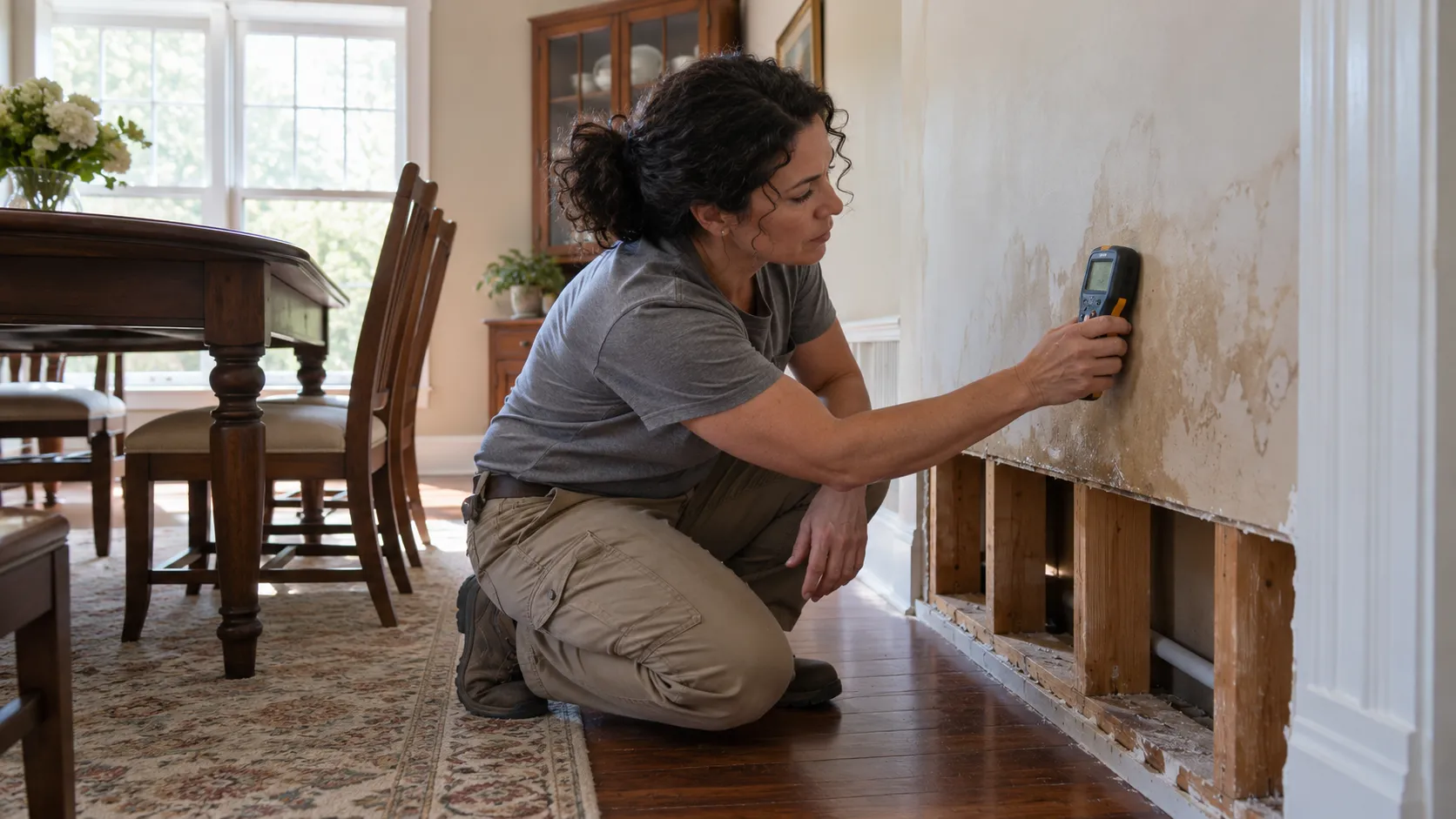
A good provider starts with an inspection. They find where the water went, not just where it shows. They use moisture meters to check walls, floors and framing.
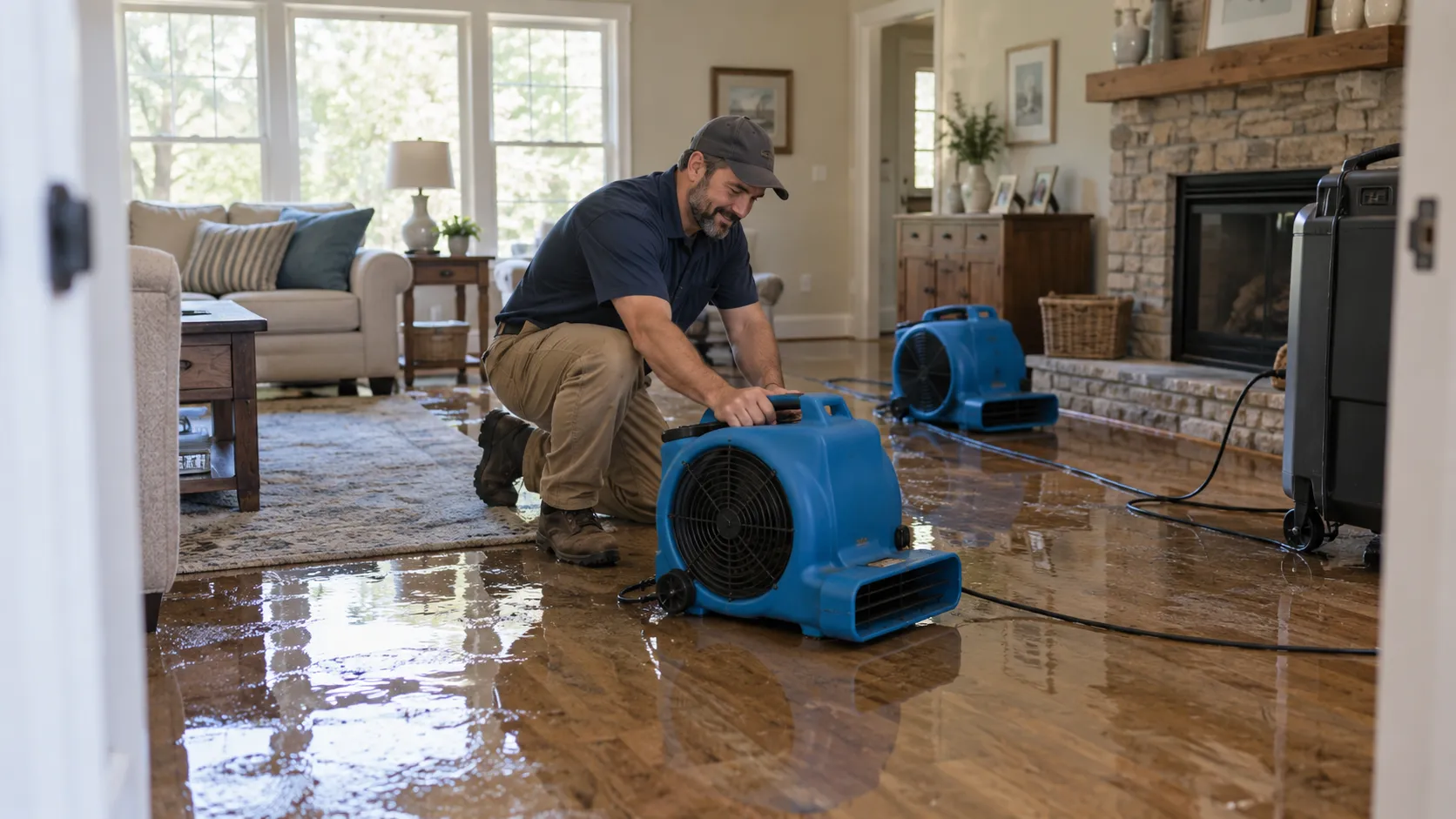
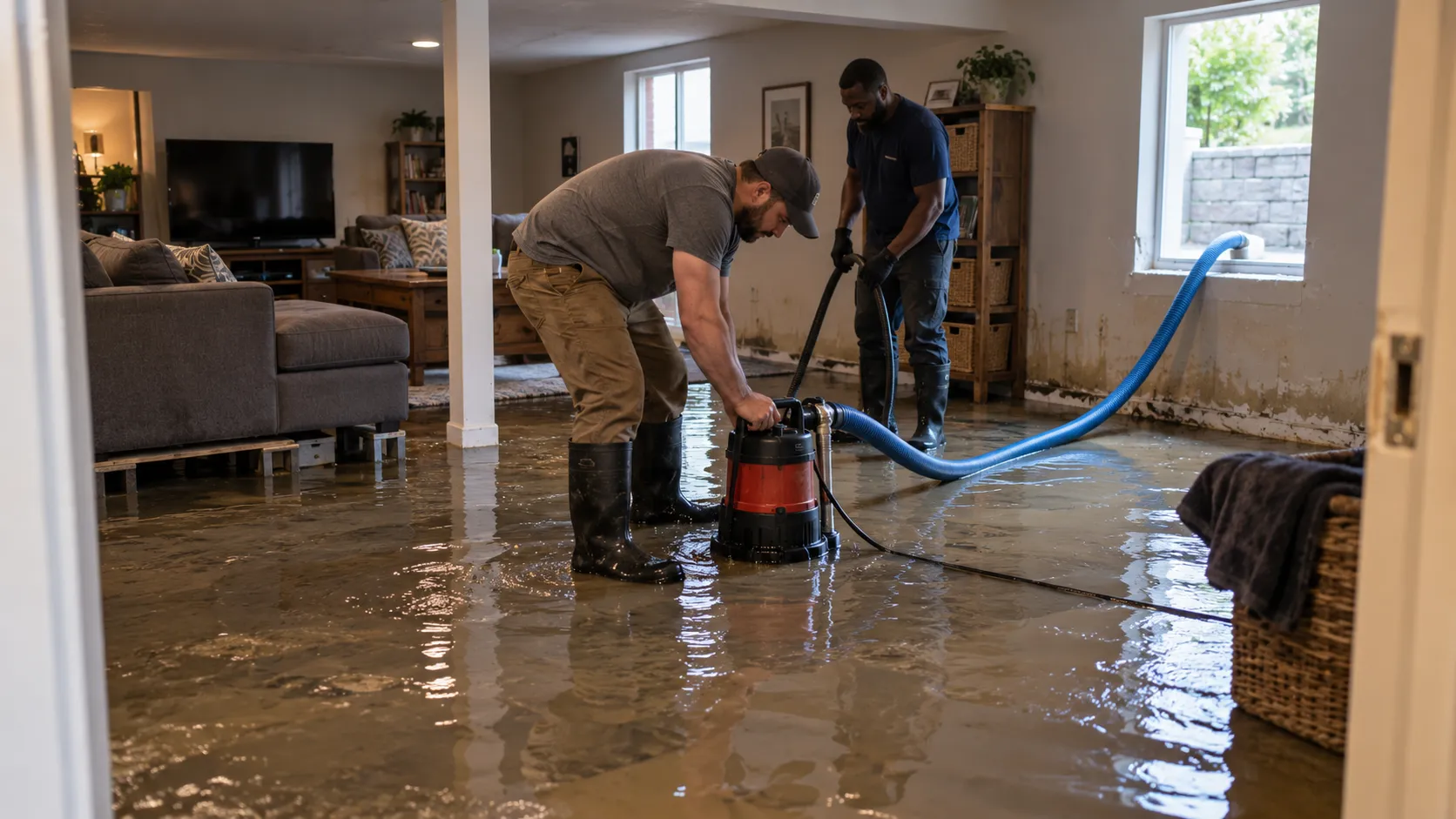
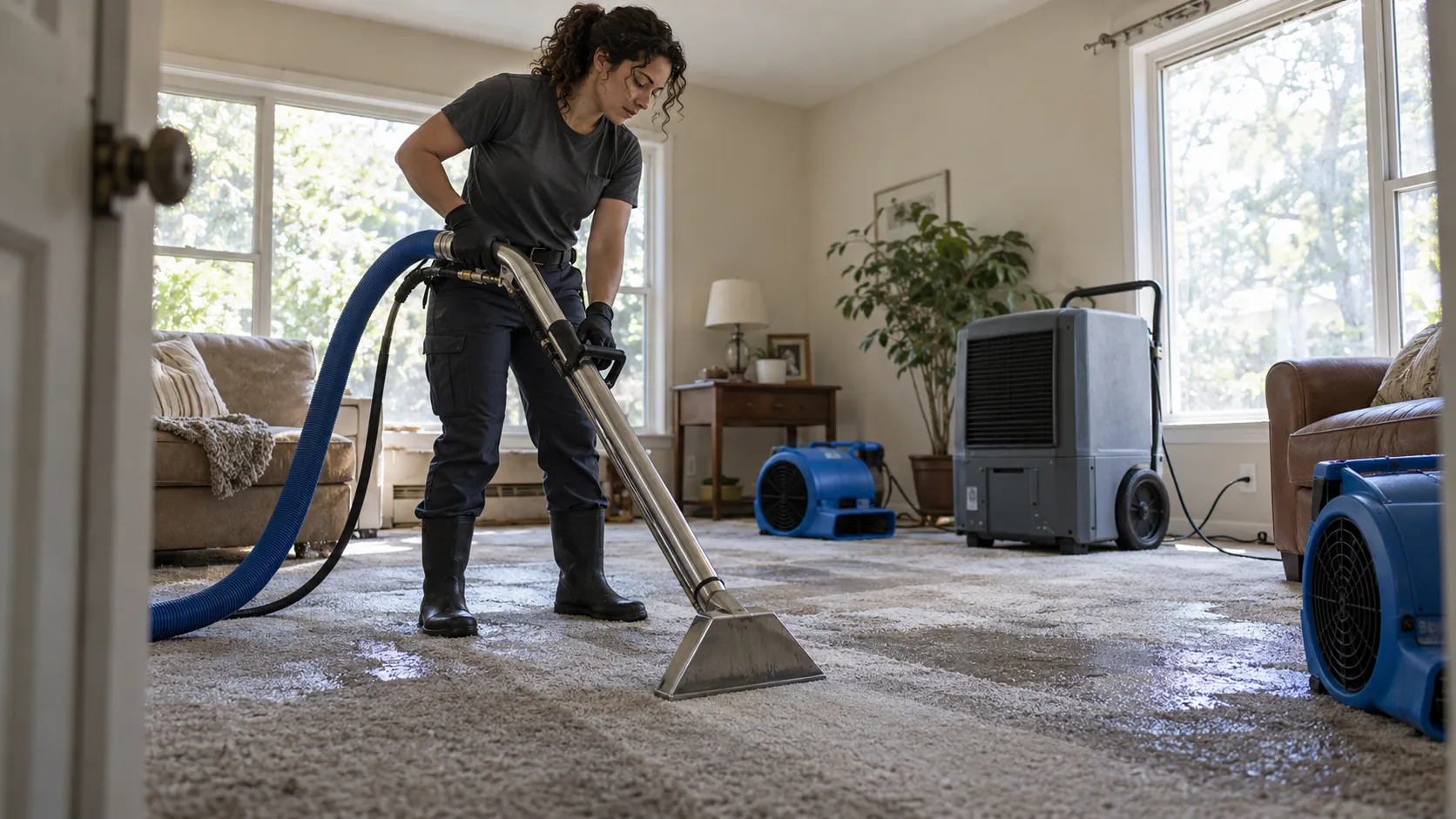
Then comes the work. Standing water is pulled out. Wet materials that cannot be saved are removed. Air movers and dehumidifiers dry what stays. Many providers can also help document the damage for a claim.
Why the job must be done right
A home that looks dry can still hold moisture. Hidden dampness leads to warped floors, stained ceilings and mold. Those problems show up later, often at the worst time, like a home inspection before a sale.
A thorough dry-out keeps the house sound. It leaves a record of what was done. Buyers and inspectors like that.
Your options, in plain terms
You can dry only, dry and repair, or handle repairs separately. Each path has trade-offs in cost and time. A provider should walk you through them before starting. Ask questions. Get the quote in writing.
Where providers can help
Secondsunderstand Restoration focuses on Dallas and the Dallas-Fort Worth area. Providers in the network serve homes across the region, from newer neighborhoods to older streets.
This part of the country has its own water risks. Summers are hot and humid. Downpours can be heavy. Tropical storm season brings wind-driven rain and rising water. Winters are mild, but a rare hard freeze can still split a pipe.
Home style matters too. Slab-on-grade ranch homes have no crawl space, so water spreads across the floor and into the walls. Older pier-and-beam houses can trap moisture underneath. Hot attics can leak into ceilings after a storm tears at the roof.
Providers who work locally know these patterns. They know what humid air does to a wet home. Ask each one about their experience with your type of house.
Request an Estimate
Coverage depends on the provider and the job. Request a callback to check provider availability for your address.
What every homeowner should know
First steps before help arrives
Safety first. If water touches outlets or appliances, shut off power at the panel, only if you can reach it without standing in water. Stop the source if you can. Move small valuables out of the wet area.
Take photos
Photograph everything before you move it. Capture the water line, damaged items and the source. Providers can often help document damage for a claim, but your own photos help.
Clean water, gray water, black water
Not all water is equal. A broken supply line is clean. Washing machine overflow is gray. Storm flooding and sewage are black and carry germs. The type changes the plan and the cost. Do not wade through suspect water.
Mold risk
In humid weather, mold can start within a couple of days on wet materials. Fast drying is your strongest defense. If you smell mustiness or see dark spots, tell the provider.
What it may cost
Costs vary a lot by job. Typical U.S. ranges run from a few hundred dollars for a small leak to several thousand for a large flood. Size, water type and materials all matter. Always get a written quote and ask what it includes.
Insurance questions
Some policies may cover sudden damage, such as a burst pipe. Flood and slow leaks are often treated differently. Check your policy and talk to your agent before you sign anything.
Choosing a provider
Ask about licensing where required, insurance and drying equipment. Ask for a written scope and a timeline. Compare at least two options if you can. Be wary of anyone who pushes you to sign on the spot.
After the dry-out
Ask for moisture readings that show the structure is dry. Keep every invoice and report. They protect your home value and help at resale.
Ready to get started?
Tell us what happened. A local provider in the network can review the details and follow up with next steps. You see the options and the quote before anything begins.
Request an Estimate
If talking is easier, request a callback to check provider availability. Hours vary by provider, so the sooner you ask, the sooner you know where you stand.